
November 1, 2026 · Cooling
Getting Ready for an AC Repair Visit in Odessa: A Homeowner Checklist
Before an AC repair technician arrives, do four things: change or check the air filter, clear a path to the indoor unit and a few feet around the outdoor unit, write down what the system is doing…

Before an AC repair technician arrives, do four things: change or check the air filter, clear a path to the indoor unit and a few feet around the outdoor unit, write down what the system is doing (and when it started), and turn the system off if it's icing up, making grinding noises, or tripping the breaker. That's it. Those few minutes help the technician find the problem faster and keep a small issue from getting bigger while you wait.
In Odessa and Midland, an AC problem rarely waits for a mild day. It usually shows up in the middle of a long stretch of West Texas heat, when the system has been running hard for weeks and the house is warming up by the hour. Below is a simple checklist for what to do before your appointment, what you can safely check yourself, and what to expect once the technician is at your door.

Quick checks before you call
Some "broken AC" calls turn out to be simple settings or a tripped switch. Before you schedule, take two minutes to look at these:
- Thermostat: Make sure it's set to "Cool," the set temperature is below the room temperature, and the fan is on "Auto." If it runs on batteries and the screen is blank or dim, replace them.
- Breaker: Check your electrical panel for a tripped breaker labeled AC, condenser or air handler. You can reset it once. If it trips again, leave it off and call.
- Outdoor disconnect: The small box on the wall near the outdoor unit should be in the "on" position.
- Air filter: A clogged filter can make the AC blow weak, warm air or even freeze up.
If everything looks right and the house still isn't cooling, it's time to schedule AC repair in Odessa.
Your AC repair prep checklist
1. Check or replace the air filter
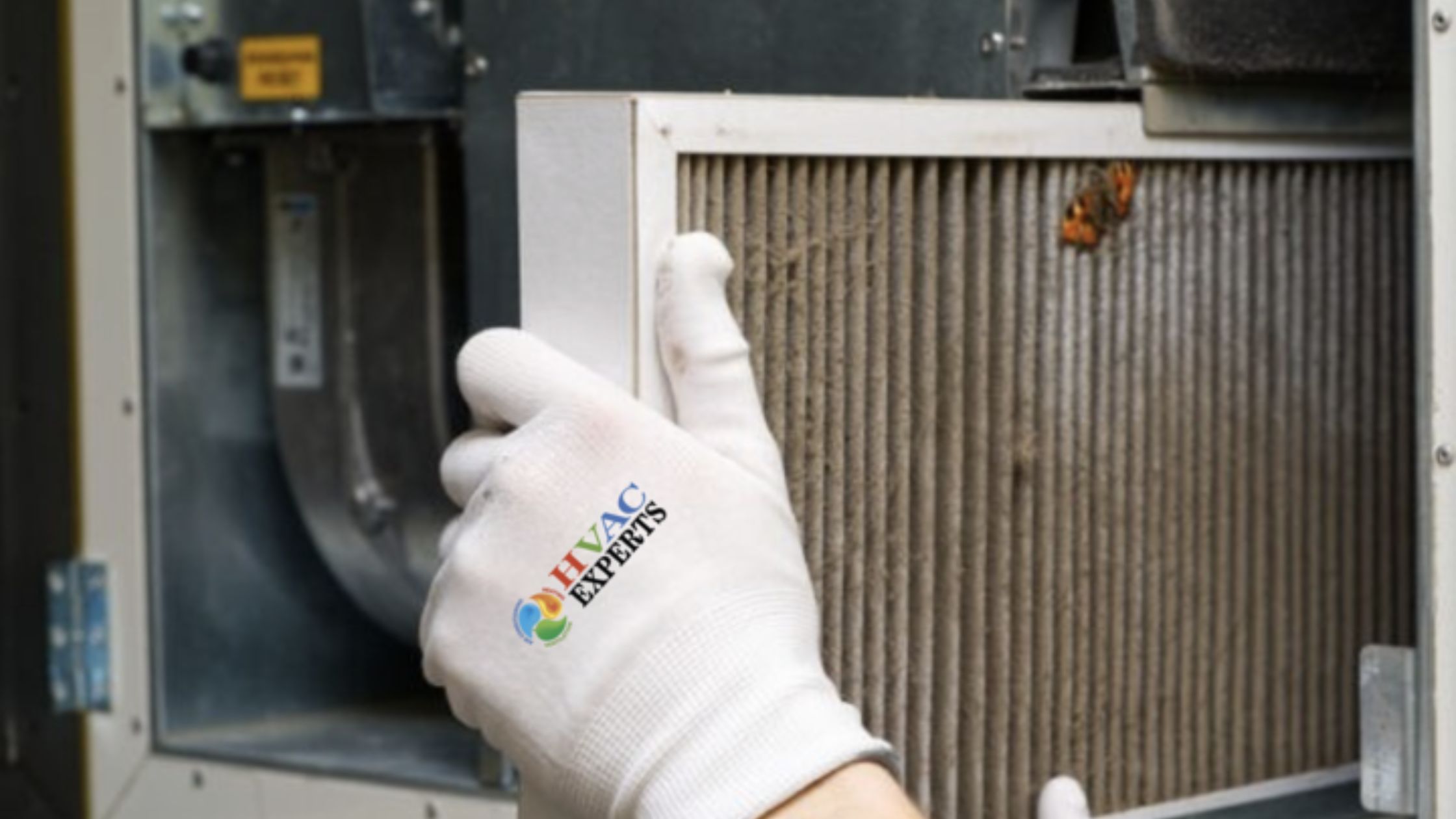
West Texas dust loads filters fast, especially after a windy week or a dust storm. A filter that looked fine a month ago can be gray and packed today. Put in a fresh one if you have it. If not, leave the old one in place and let the technician know when it was last changed.
2. Write down what the system is doing
The more specific you are, the faster the diagnosis. Note things like:
- Is it blowing warm air, weak air, or no air at all?
- Does the outdoor unit run, hum, click, or stay silent?
- Any noises (buzzing, rattling, squealing, grinding) or smells (burning, musty)?
- Is there water around the indoor unit or ice on the copper lines?
- When did it start, and does it happen all day or only in the afternoon heat?
A photo of the thermostat screen and any error codes is helpful, too.
3. Clear access to both units

Technicians need to reach the indoor unit (often in a closet, attic or garage) and the outdoor condenser. Move stored boxes away from the indoor unit, make sure the attic access is clear if your system is up there, and give the outdoor unit roughly two feet of open space on all sides. Trim back weeds or brush and remove anything leaning against it.
4. Rinse dust and debris off the outdoor coil (gently)
If the outdoor unit is caked with dust, cottonwood fluff or grass clippings, you can turn off the power at the disconnect and gently rinse the fins from the outside with a garden hose. No pressure washer, and no brushing the fins, since they bend easily. If you're not comfortable doing this, skip it; the technician will clean the coil as part of the visit.
5. Know when to shut the system off
Leaving the AC running can make some problems worse. Turn it off at the thermostat and wait for the technician if you notice:
- Ice on the indoor coil or the refrigerant lines
- Grinding, screeching or loud banging noises
- A burning or electrical smell
- The breaker tripping more than once
- Water overflowing from the indoor unit or drain pan
If the unit is frozen, setting the thermostat to "Off" with the fan on "On" can help it thaw before the visit.
6. Keep the house as cool as you can
Close blinds on the sunny side of the house, run ceiling fans, and avoid the oven and dryer during the hottest part of the day. If anyone in the home is elderly, very young or has health concerns, plan a cooler place for them to stay, since indoor temperatures climb quickly during a West Texas afternoon.
7. Have basic system info ready
If you know it, have the approximate age of the system, the last time it was serviced and any past repairs. The brand and model number are on a label on the outdoor unit; a quick phone photo works. This helps the technician know if parts may be under warranty.
Common AC problems we see in West Texas
Long cooling seasons, high afternoon temperatures and blowing dust are hard on air conditioners. The problems we see most often in Odessa and Midland homes include:
- Dirty or clogged coils and filters from dust, which cut airflow and make the system work harder.
- Failed capacitors and contactors, which are common in extended heat and can keep the outdoor unit from starting.
- Low refrigerant from a leak, which causes weak cooling and can lead to frozen coils.
- Clogged condensate drains, which can cause water leaks or shut the system down.
- Worn fan motors that have run nearly nonstop through the summer.
Many of these build slowly, which is why regular air conditioning service before the heat sets in can prevent a lot of mid-summer breakdowns.
What to expect during the visit
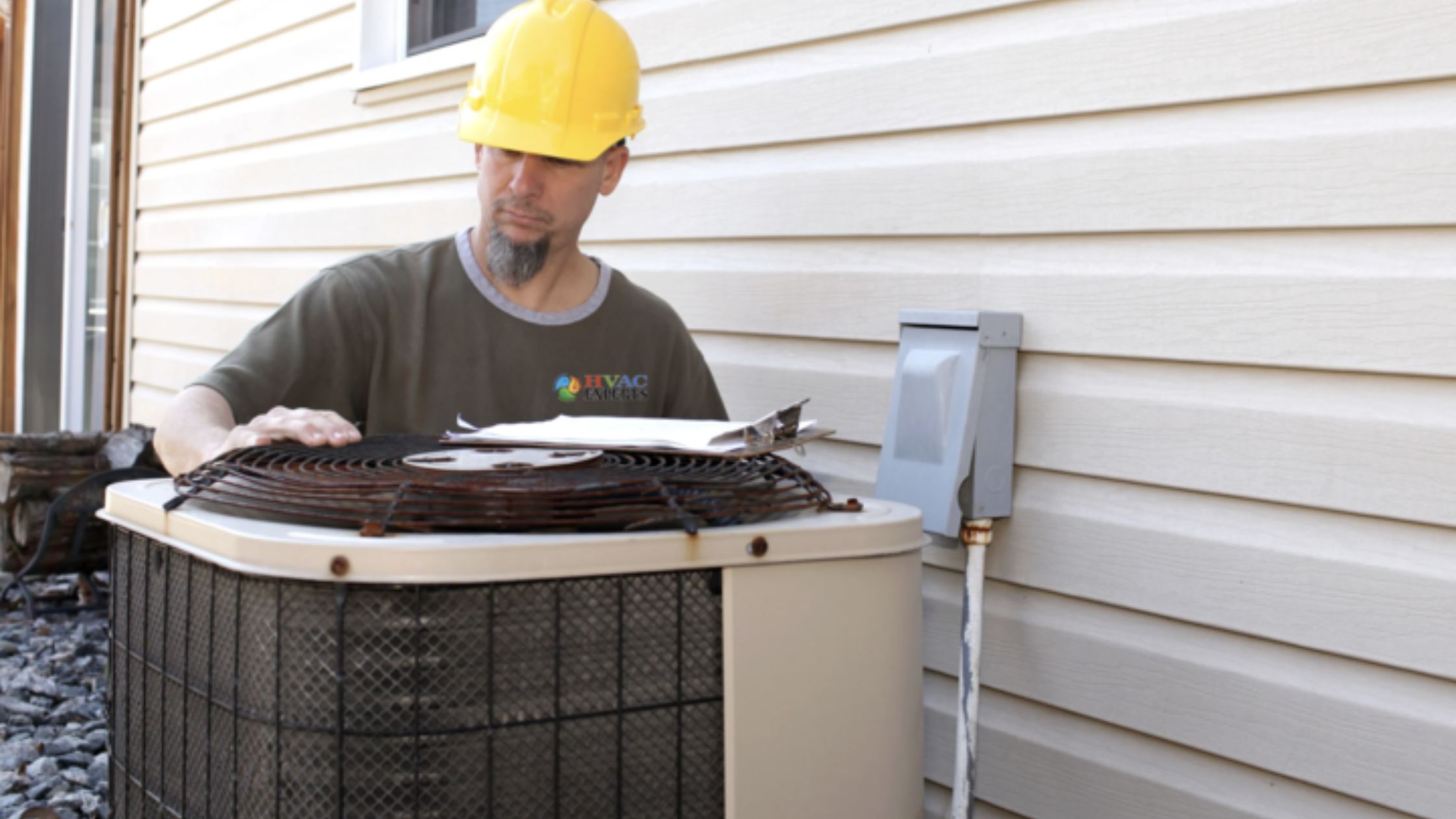
A typical repair visit follows a simple order:
- Talk through the problem. The technician will ask what you've noticed, so your notes from the checklist come in handy here.
- Inspect and test. They'll check the thermostat, electrical parts, refrigerant pressures, airflow, coils and drain line.
- Explain the cause and options. You should get a clear explanation of what failed and what the repair involves before any work starts.
- Make the repair and confirm cooling. After the fix, the system is run and checked to make sure it's cooling properly.
Feel free to ask questions along the way, like how old your system is, whether the problem is likely to come back, and what you can do to prevent it.
When it's an emergency
If your AC goes out during extreme heat and someone in the home is at risk, or you smell burning or see sparking, don't wait for a regular appointment. Turn the system off and reach out to our emergency HVAC repair team.
Repair now, or think about what's next?
Most AC problems are a straightforward repair. But if your system is older, has needed several repairs in the last few summers, or your electric bills keep climbing, it may be worth talking about options. The same thinking applies as in our guide on whether to repair or replace a furnace.
Frequently asked questions
Should I turn my AC off before the repair technician arrives?
If it's icing up, making grinding or banging noises, smells like it's burning, or keeps tripping the breaker, yes. Otherwise, you can leave it running if it's still providing some cooling.
Do I need to be home for an AC repair visit?
Usually, yes, or another adult should be. The technician needs access to the indoor unit and thermostat, and it helps to explain the symptoms in person.
Why does my AC struggle more in Odessa than in other places?
Long stretches of high heat mean the system runs for months with little rest, and West Texas dust clogs filters and coils faster. Both add strain, so regular filter changes and coil cleaning matter more here.
Can I fix a frozen AC myself?
You can help it thaw by turning cooling off and running the fan, and you can change a dirty filter. But if it freezes again, the cause is often low refrigerant or an airflow problem that needs a technician.
How long does a typical AC repair take?
Many common repairs, like replacing a capacitor or clearing a drain line, can be done in a single visit. Bigger repairs may depend on part availability. Your technician will tell you what to expect after the diagnosis.
Need AC repair in Odessa?
If your air conditioner isn't keeping up with the West Texas heat, our team can find the problem and get your home cool again. We serve Odessa and nearby communities, including Midland.
More from the blog
4.9 · 1,901 Google reviews
Need help at home?
Call 432-272-5636 for a free estimate.