
October 29, 2026 · Heating
Heat Pump in a West Texas Cold Snap: Defrost, Aux Heat and When to Call
If your heat pump goes quiet, blows a cloud of steam from the outdoor unit, or blows cooler air for a few minutes on a freezing West Texas morning, it's most likely running a normal defrost cycle, and it should go back…
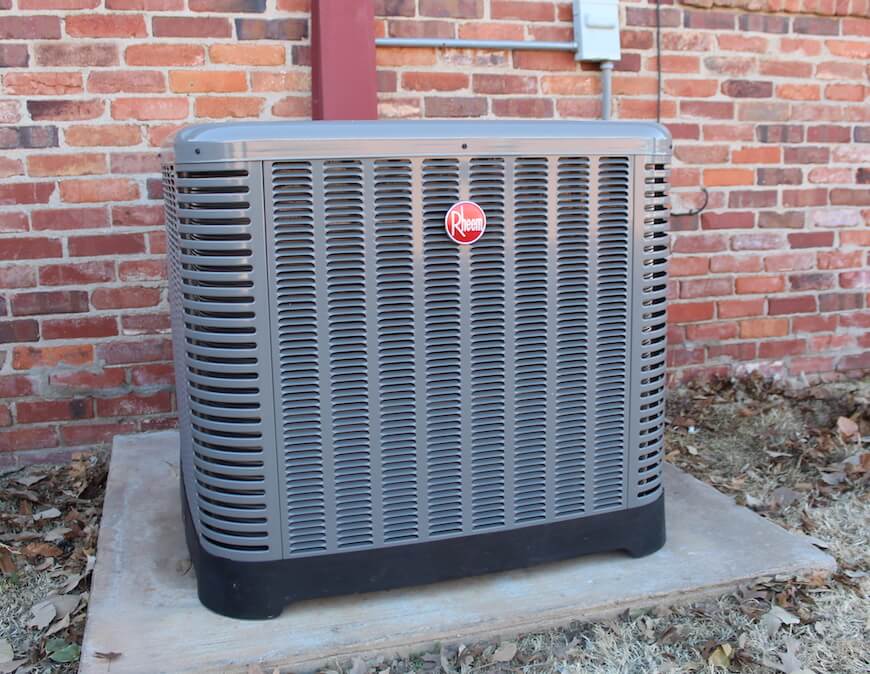
If your heat pump goes quiet, blows a cloud of steam from the outdoor unit, or blows cooler air for a few minutes on a freezing West Texas morning, it's most likely running a normal defrost cycle, and it should go back to heating in 5 to 15 minutes. If the outdoor unit stays caked in ice for hours, the house keeps losing temperature, or "Aux" or "Emergency Heat" never goes off on your thermostat, something is wrong and it's time to call a technician.
Here in Odessa and Midland, winter usually arrives as a handful of cold snaps rather than a long, steady freeze. Days can be mild and sunny, then the temperature drops hard after dark. That swing is exactly when heat pumps work hardest and when homeowners notice the odd sounds and behavior they never see the rest of the year. Below is what's normal, what isn't, and what you can safely check yourself.
Why a heat pump acts differently in a cold snap
A heat pump doesn't burn fuel. It pulls heat out of the outdoor air and moves it inside. That works well on a cool day, but as it gets colder outside there's less heat to collect, so the system runs longer, sometimes almost nonstop. Long run times on a cold night are normal and are not, by themselves, a sign of trouble.
Our local conditions add a few twists:
- Night freezes after mild days. Morning frost on the outdoor coil is common, so you'll see more defrost cycles around sunrise.
- Dust and debris. West Texas wind packs dust, leaves and tumbleweed bits into the outdoor coil. A dirty coil moves less heat and ices up faster.
- Dry cold. Our air is usually dry, so a heat pump that ices over badly on a dry night is more suspicious than one in a damp climate.

Defrost cycle or broken unit?
When frost builds up on the outdoor coil, the heat pump briefly reverses itself to melt it. During defrost you may notice:
- The outdoor fan stops while the compressor keeps running.
- A whoosh or click as the system switches over, then steam rising off the unit.
- Water dripping or puddling under the outdoor unit.
- Slightly cooler air indoors for a few minutes, or backup heat coming on to cover the gap.
All of that is normal. Defrost typically finishes in a few minutes, and then the fan starts again and warm air returns.
It's not normal when:
- The outdoor coil is covered in a solid sheet of ice, or ice builds on the top of the unit, and it doesn't clear after an hour or so.
- The outdoor fan isn't spinning at all while the unit is supposed to be heating.
- The system blows cold air for long stretches, not just during short defrost breaks.
- You hear grinding, loud buzzing or repeated clicking with no start-up.
- A breaker keeps tripping.
If your heat pump is blowing cold air in heating mode outside of defrost, our guide on why a heat pump blows cold air in heating mode walks through the common causes.
Auxiliary heat vs. emergency heat
Most heat pumps in our area have a backup heat source, usually electric heat strips in the indoor unit, and sometimes a gas furnace in a "dual fuel" setup. Your thermostat may show it two different ways.
Auxiliary heat ("Aux") comes on by itself. The system adds backup heat when the heat pump can't keep up, during defrost, or when you bump the thermostat up several degrees at once. Seeing "Aux" now and then on a cold night is normal.
Emergency heat ("Em Heat") is a setting you choose. It shuts the heat pump off and runs only the backup heat. It's meant for when the outdoor unit is damaged or not working, so you stay warm until a technician arrives. Electric heat strips cost noticeably more to run than the heat pump itself, so it isn't something to leave on all winter.
A good rule: if "Aux" is lit almost all the time, or you've had to switch to emergency heat to stay comfortable, the heat pump likely needs service.
What you can safely check first
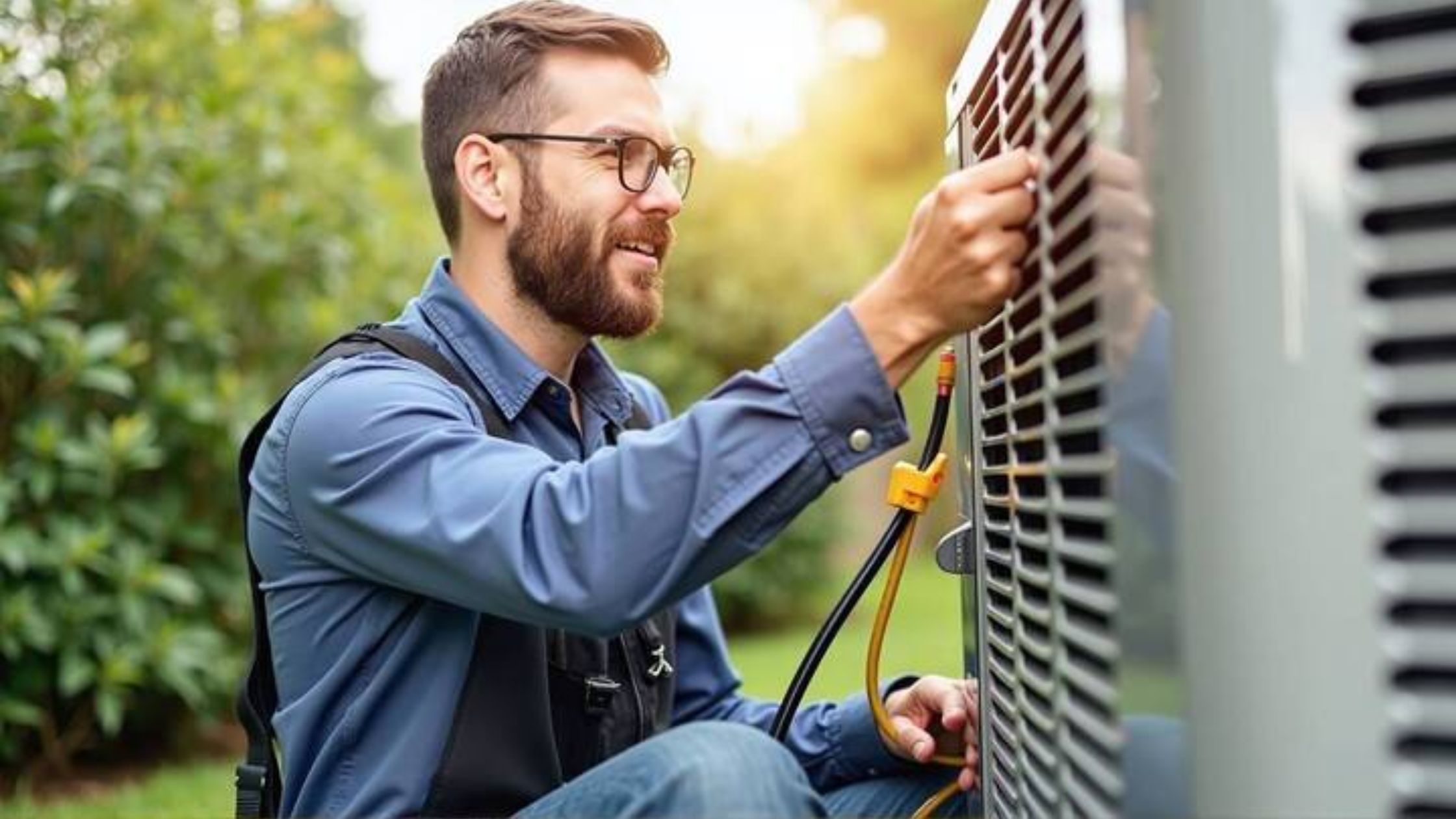
Before you call, a few quick checks can solve the problem or give our technician useful information:
- Thermostat. Make sure it's set to Heat (not Cool or Off), and the setpoint is above room temperature. Replace the batteries if it has them.
- Air filter. A clogged filter cuts airflow and makes the whole system struggle. Swap it if it's dirty.
- Outdoor unit. Clear leaves, dust drifts and anything blocking the sides. Keep a couple of feet of open space around it.
- Breakers. Check that the breakers for the indoor and outdoor units haven't tripped. If one trips again after you reset it, leave it off and call us.
- Gentle thermostat changes. Raise the temperature a degree or two at a time. Big jumps tend to trigger expensive backup heat.
Please don't chip or pry ice off the coil, and don't pour boiling water on it. That can bend the fins or damage the refrigerant lines. If ice won't clear on its own, switch to emergency heat and call.

When to call a technician
Call us when:
- The outdoor unit stays heavily iced after a defrost cycle should have cleared it.
- The house won't reach the thermostat setting even with the system running nonstop.
- "Aux" or emergency heat is doing all the work.
- The fan, compressor or breaker keeps failing.
- You smell burning or hear grinding, rattling or loud buzzing.
These are often fixable problems, such as a failed defrost sensor or control board, a bad outdoor fan motor or capacitor, a refrigerant leak or a coil packed with dust. Our technicians handle heat pumps as part of our heating services in Odessa and Midland. If your home has a dual-fuel system with a gas furnace as backup, our furnace repair team can check that side too.
If the heat goes out on a freezing night, don't wait for morning. Our emergency HVAC repair service is there for exactly that.
Repair now, or think about what's next?
A heat pump that's struggling every cold snap may just need a repair and a good cleaning. But if your system is older, has needed several repairs, or your backup heat runs so much your electric bill jumps every winter, it's worth talking about options. Homeowners with a gas furnace backup can read our guide on whether to repair or replace a furnace for the same kind of decision.
Frequently asked questions
Is it normal for my heat pump to steam in winter?
Yes. Steam rising from the outdoor unit usually means it's in a defrost cycle, melting frost off the coil. It should stop within a few minutes and the unit should go back to heating.
How long should a heat pump defrost cycle last?
Usually about 5 to 15 minutes. If the outdoor unit is still heavily iced after an hour, or ices over again quickly, have a technician check the defrost controls and refrigerant charge.
Should I use emergency heat during a cold snap?
Only if the heat pump isn't working, for example if the outdoor unit is frozen solid or damaged. Emergency heat keeps you warm, but it costs more to run. Normal cold nights don't need it; the system adds auxiliary heat on its own.
Why does my thermostat say "Aux heat" so often?
Some "Aux" on very cold nights or during defrost is normal. If it's on almost all the time, the heat pump may be low on refrigerant, have a dirty coil or filter, or have a failed part, and it should be checked.
Can I pour hot water on a frozen heat pump?
It's better not to. Hot water can refreeze, and chipping ice can damage the coil. Switch to emergency heat, clear debris around the unit and call a technician if the ice doesn't clear.
Need help with your heat pump?
If your heat pump isn't keeping up this winter, our team can find out why and get your home warm again. We serve Odessa and nearby communities, including Midland.
4.9 · 1,900 Google reviews
Need help at home?
Call 432-272-5636 for a free estimate.