
November 6, 2026 · Cooling
R-410A Phase-Down: What It Means for Your Older AC in Odessa & Midland
Short answer: If your AC runs on R-410A, you don't have to replace it. Under EPA rules, you can keep repairing an existing R-410A system for the rest of its useful life — including major parts.…

Short answer: If your AC runs on R-410A, you don't have to replace it. Under EPA rules, you can keep repairing an existing R-410A system for the rest of its useful life — including major parts. What's changing is new equipment: new home AC and heat pump systems are moving to lower-impact refrigerants like R-32 and R-454B. So the real question for most Odessa and Midland homeowners isn't "Is my AC illegal?" — it's "Is this unit still worth fixing?"
Here's what the change means, and how we help West Texas homeowners decide between AC repair and replacement.

What is R-410A, and why is it being phased down?
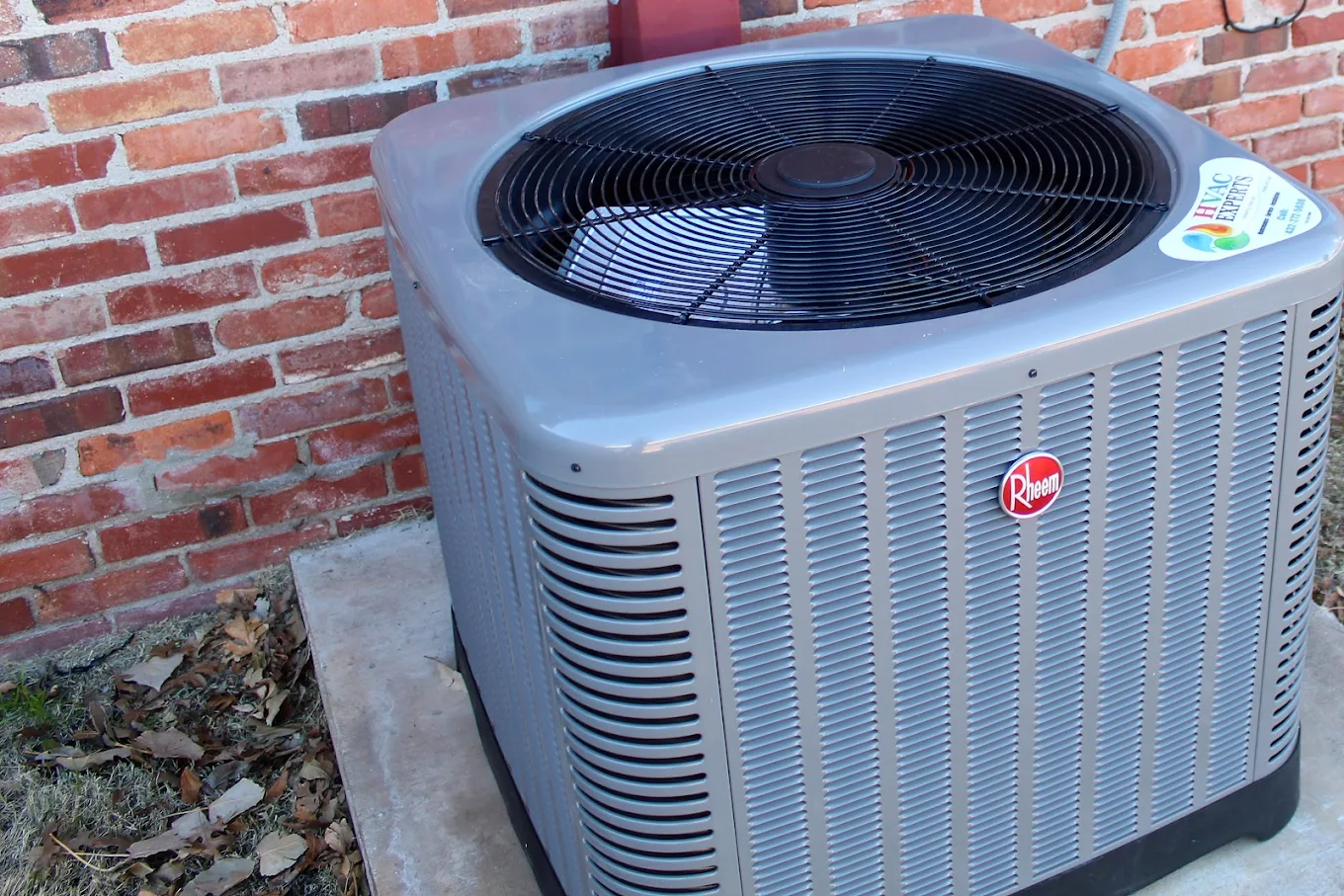
R-410A (sometimes sold as "Puron") has been the standard refrigerant in home air conditioners and heat pumps for years. If your system was installed in roughly the last 10–15 years, there's a good chance it uses R-410A — the label on your outdoor unit will say.
R-410A is an HFC refrigerant with a high global warming potential (GWP). Under the federal AIM Act, the EPA is gradually reducing how much HFC refrigerant is produced and imported, and it has set limits on which refrigerants new equipment can use. For home AC and heat pump systems, new equipment has to use a refrigerant with a GWP under 700. That's why manufacturers have been switching to "A2L" refrigerants such as R-32 and R-454B.
Can I still repair my R-410A air conditioner?
Yes. The EPA says homeowners can maintain and repair their existing systems throughout the life of the equipment. That includes replacing a major component — like a compressor, condensing unit, or indoor coil — with a matching R-410A part. Parts used to repair existing systems aren't covered by the new-equipment restrictions.
What may change over time is availability and cost. As HFC supply is phased down, the EPA notes that refrigerant and parts may become less available. We can't predict exact prices, but it's fair to expect that older-refrigerant service won't get easier over the years.
Do I have to replace my AC because of the new rules?
No. Nothing in the rules requires you to rip out a working R-410A system. A few things worth knowing:
- Replacing both the outdoor unit and the indoor coil together generally counts as installing a new system in EPA's eyes — which is where the new-refrigerant rules come in.
- Some R-410A equipment built before 2025 can still be installed under current EPA rules, but supply is limited and it's not the long-term direction of the industry.
- New A2L systems are designed around their own refrigerant. You can't simply "top off" an old R-410A system with R-32 or R-454B.
If someone tells you your AC is "banned" or must be replaced right now because of the refrigerant, ask questions. We'd rather give you a straight read on your unit.
Repair or replace? How we look at it in West Texas
Odessa and Midland summers are hard on equipment. Long stretches of triple-digit heat keep your compressor running for hours, and dust and caliche blow straight into outdoor coils. That wear matters more to the repair-or-replace decision than the refrigerant label alone.
Repair usually makes sense when:
- The system is relatively young and has been maintained.
- The problem is a single part — a capacitor, contactor, fan motor, or a small, findable leak.
- It cools well once fixed and your bills haven't been creeping up.
Replacement is worth discussing when:
- The unit is older and the repair is a big one (compressor, or outdoor unit and coil).
- It needs refrigerant added over and over — a recurring leak gets more expensive as R-410A supply tightens.
- It struggles to keep up on 100°+ afternoons even after service.
- You're facing repeated breakdowns season after season.
There's no single magic age or dollar number — every house and system is different. A technician can look at the age, condition, repair cost, and how the unit actually performs in your home and lay out both options honestly.
What to do if your R-410A system needs refrigerant
Refrigerant isn't "used up" like fuel. If your AC is low, there's a leak somewhere. Adding refrigerant without finding the leak just means paying for it again later. When you call for AC repair in Odessa, ask the tech to locate the leak and tell you whether it's a reasonable fix on your unit.
If you have a service visit coming, our AC repair prep checklist shows what to note before the tech arrives.
Should I replace before or after summer?
If your system is older and you're already leaning toward replacement, planning it in the cooler months is usually less stressful than waiting for a breakdown in July, when demand is highest. If it's working well, regular maintenance and prompt repairs are a perfectly good plan. Either way, there's no need to panic over the phase-down.
FAQ
Is R-410A being banned?
Not for existing systems. The EPA is phasing down production and import of HFC refrigerants and limiting refrigerants in new equipment. You can keep using and repairing your R-410A system.
Will R-410A get more expensive?
It may. As supply is reduced over time, refrigerant and parts may become harder to find. We don't quote future prices, but a recurring leak is worth fixing rather than refilling.
What are R-32 and R-454B?
They're lower-GWP refrigerants used in many new home AC and heat pump systems. They're classified "A2L" (mildly flammable), so they're installed with specific equipment and safety practices.
Can I put new refrigerant in my old AC?
No. Systems are designed for a specific refrigerant. An R-410A system needs R-410A.
Can you tell me if my AC is worth repairing?
Yes. We service homes across Odessa, Midland, and nearby communities and will give you a straight repair-vs-replace recommendation. See our air conditioning services or Midland service area.
Not sure what to do with your older AC?
HVAC Experts helps Odessa and Midland homeowners keep R-410A systems running — and helps plan replacement when it actually makes sense. Book AC repair or call (432) 272-5636. If your AC quit in the heat, see our emergency HVAC repair page.
4.9 · 1,901 Google reviews
Need help at home?
Call 432-272-5636 for a free estimate.