
May 25, 2026 · Installations
What to Expect During Your Air Conditioning Installation Service
Upgrade to expert air conditioning installation service. Save energy, boost comfort & cut costs with professional AC replacement in Odessa-Midland. Schedule now!
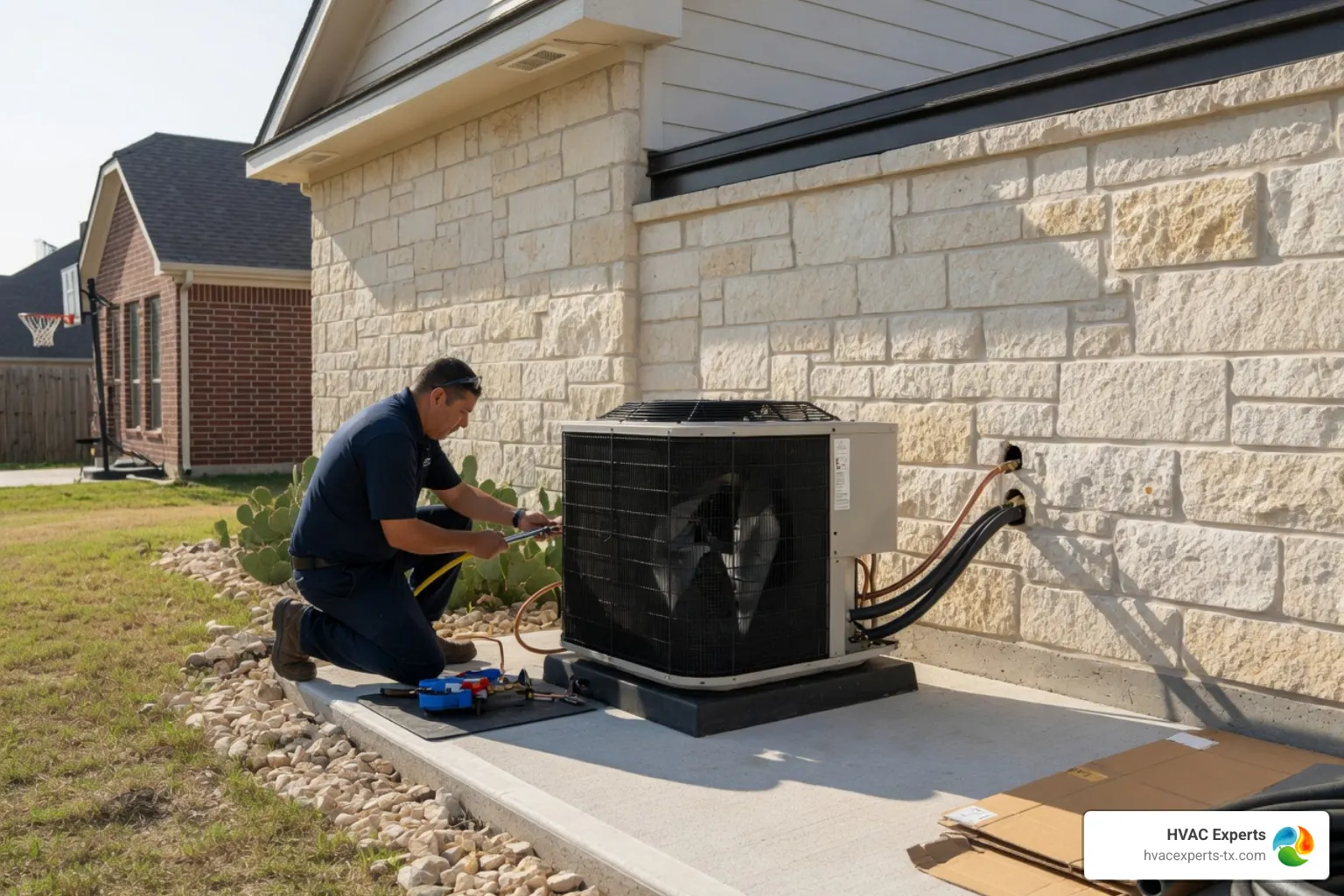
Why Professional Air Conditioning Installation Service Is Worth Getting Right
Air conditioning installation service is one of the most important home investments you can make — especially in the scorching Permian Basin heat, where a failed AC isn’t just uncomfortable, it’s a genuine health risk.
Here’s a quick overview of what professional AC installation service typically includes:
- In-home assessment — A technician evaluates your home’s size, insulation, and layout
- Load calculation — Determines the exact cooling capacity (BTUs) your home needs
- System selection — Helps you choose the right unit type and efficiency rating for your budget
- Professional installation — Handles all electrical, refrigerant, and drainage connections safely
- Final testing — Verifies airflow, thermostat accuracy, and system performance
- Homeowner walkthrough — Shows you how to operate and maintain your new system
A properly installed AC system can last 12 to 20 years with the right maintenance. A poorly installed one? It may struggle from day one, driving up energy bills, cycling on and off constantly, and wearing out years before its time.
The difference between a comfortable home and a frustrating one often comes down to who installed your system and how they did it, not just which brand you bought.
Whether your current unit is on its last legs or you’re dealing with sky-high utility bills every summer, this guide walks you through everything you need to know about getting a new AC system installed the right way.
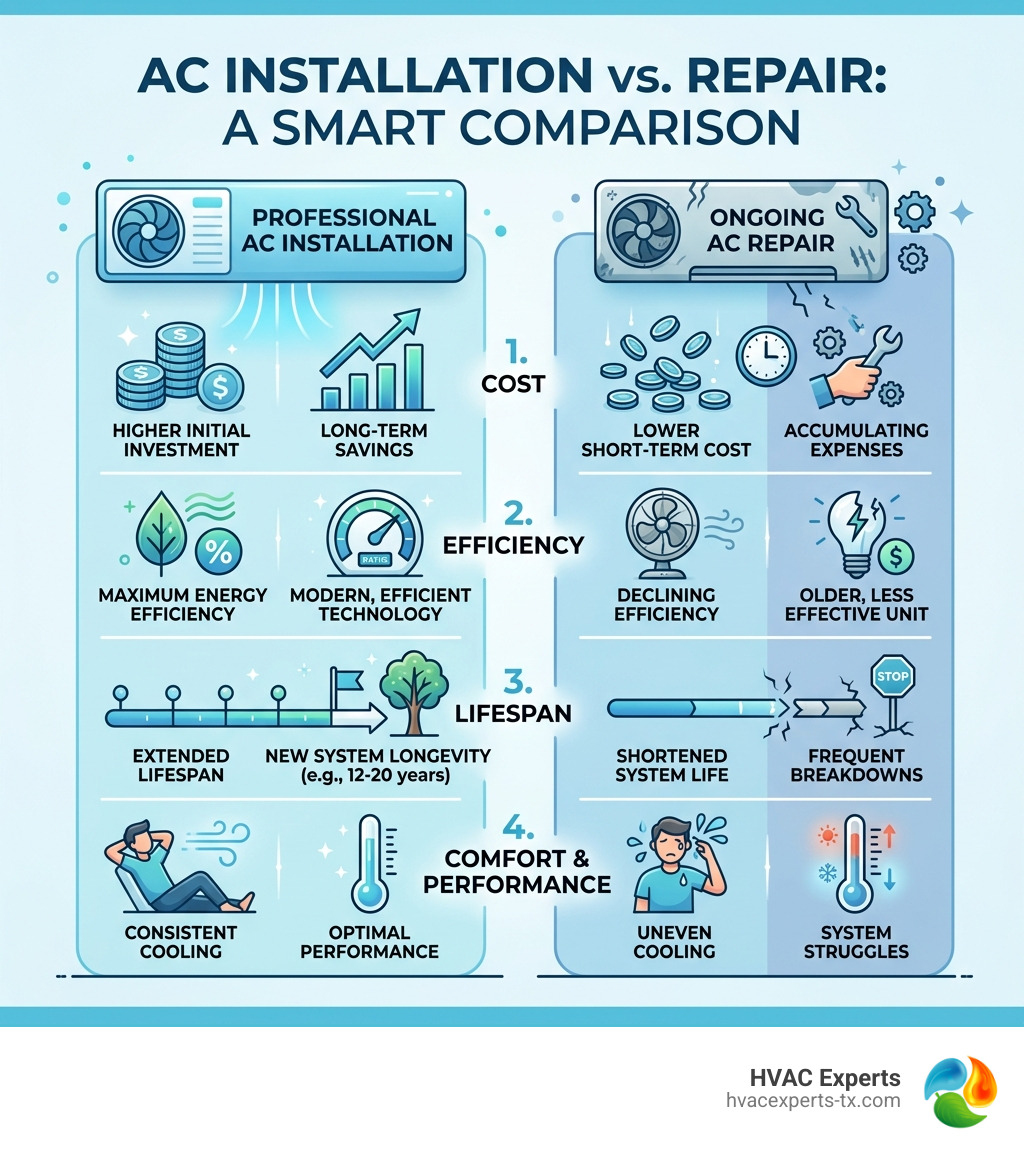
Signs You Need a New Air Conditioning Installation Service
Living in West Texas, we know that our air conditioners work harder than just about anywhere else in the country. But how do you know if your unit is just having a “bad day” or if it’s time to call it quits? Recognizing the signs early can save you from a middle-of-the-night emergency in July.
System Age
Most HVAC systems last between 10 to 20 years. However, in our hot, arid climate, they often lean toward the shorter end of that range. If your system is over 10-15 years old, it’s likely operating on outdated technology and struggling to keep up with modern efficiency standards.
The $5000 Rule
When face-to-face with a big repair bill, use this simple math: multiply the age of your system by the cost of the repair. If the total exceeds $5,000, a full replacement is typically the smarter financial move. For example, if a 12-year-old unit needs a $500 repair ($6,000 total), it’s time to let go.
R-22 Refrigerant and Frequent Repairs
If your older unit still uses R-22 (Freon), you’re essentially cooling your home with “liquid gold.” This refrigerant is no longer produced, making even minor leaks incredibly expensive to fix. Furthermore, if you’re calling us for repairs more than twice a year, those “band-aid” fixes are likely costing you more than a monthly payment on a brand-new, reliable system.
Rising Utility Bills and Inconsistent Cooling
Have you noticed your energy bills creeping up even though you haven’t changed your habits? That’s a sign of a system losing its efficiency. Similarly, if your living room feels like a walk-in freezer while your bedroom feels like a sauna, your system is likely failing to distribute air properly. For a deeper dive into this decision, check out our guide on when to replace conditioner furnace units.
The Impact of Outdated Technology
Older systems are often “single-stage,” meaning they are either 100% on or 100% off. This leads to massive temperature swings and high noise levels that sound like a jet engine taking off in your backyard. Modern air conditioning installation service introduces you to variable-speed compressors. These units operate like a dimmer switch, adjusting their output to maintain a perfect, steady temperature while using a fraction of the energy. This also helps significantly with humidity control—a blessing during those rare but sticky West Texas monsoon days. You can learn more about modern cooling standards through the Department of Energy.
Environmental and Regulatory Factors
HVAC rules are changing. The industry is moving away from older refrigerants like R-410A and toward lower-impact options. SEER2 standards, introduced in 2023, also mean today’s new systems are built to meet higher efficiency requirements than many older units.
Replacing an outdated AC can help reduce energy waste, lower your home’s carbon footprint, and keep you aligned with current standards. If your system is aging, spring can be a smart time to plan ahead: spring clean your home why now is the perfect time for a new HVAC system.
Choosing the Right System for Your Home
One size definitely does not fit all in the Permian Basin. Depending on your home’s structure and your specific needs, we might recommend several different types of systems to ensure maximum comfort and efficiency.
- Central AC: The standard for most homes in Odessa and Midland. It uses a network of ducts to distribute cool air throughout the house.
- Heat Pumps: Don’t let the name fool you! Heat pumps provide both heating and cooling. They are incredibly efficient and are becoming the “go-to” choice for many West Texas homeowners looking for year-round comfort.
- Ductless Mini-Splits: Perfect for older homes without ductwork or for room additions (like a converted garage). These allow for “zoning,” where you only cool the rooms you are actually using.
- Packaged Units: Common in commercial settings or homes with limited indoor space, these house all components in one outdoor cabinet.
The Importance of Proper Sizing in Air Conditioning Installation Service
This is where many DIY attempts or cut-rate contractors fail. You might think “bigger is better,” but an oversized AC is a nightmare. It will “short-cycle,” turning on and off so fast that it never removes humidity, leaving you feeling cold and clammy while wearing out the compressor prematurely.
Conversely, an undersized unit will run 24/7, never reaching your desired temperature and sending your electric bill into the stratosphere. We perform a professional load calculation that considers:
- Total square footage and ceiling height.
- Insulation levels in your attic and walls.
- The number, type, and orientation of your windows (sun exposure is a big deal here!).
- The number of people living in the home.
Understanding Energy Efficiency Ratings
When shopping for a new unit, you’ll see a lot of acronyms. The most important is SEER2 (Seasonal Energy Efficiency Ratio). Think of this like “miles per gallon” for your AC. The higher the number, the less it costs to run.
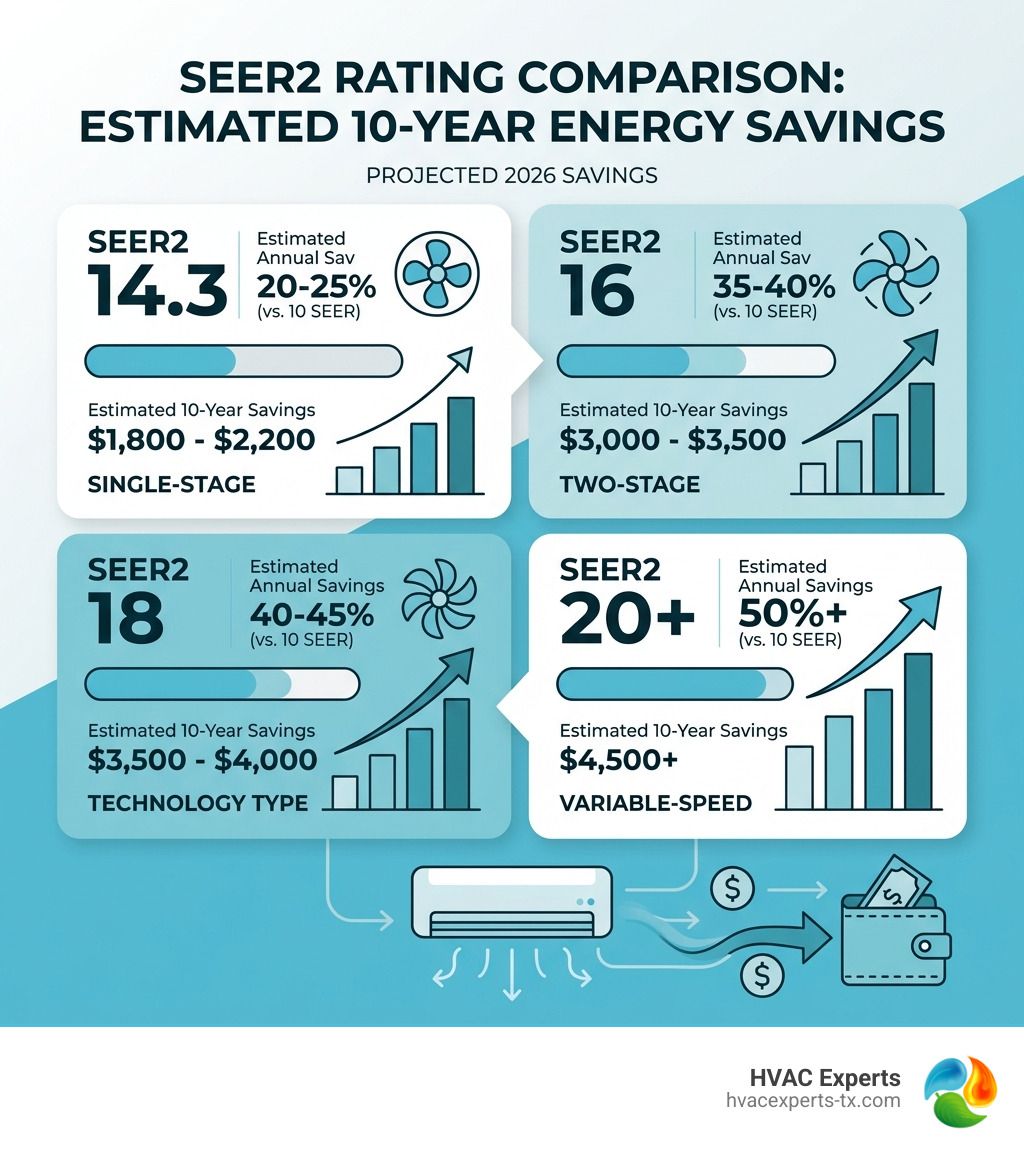
| SEER2 Rating | Estimated Annual Savings (vs. 10 SEER) | Technology Type |
|---|---|---|
| 14.3 (Minimum) | 20-25% | Single-Stage |
| 16-18 | 35-45% | Two-Stage |
| 20+ | 50%+ | Variable-Speed |
What to Expect During Your Air Conditioning Installation Service
We pride ourselves on transparency. We don’t want you to feel like a stranger in your own home while we’re working. Most of our installations follow a very specific, professional rhythm.
The In-Home Assessment and Site Prep
It starts with a conversation. We’ll walk through your home, inspect your existing ductwork for leaks or blockages, and check your electrical panel to ensure it can handle a modern high-efficiency unit. We also prepare the site, ensuring the outdoor pad is level to prevent vibration and noise. For a more detailed look at the timeline, check out our Quick Guide to a New HVAC Installation.
The Professional Installation Process
This is the “heavy lifting” phase. We carefully remove your old equipment and dispose of it responsibly. Then, the real technical work begins:
- Vacuuming lines: We use a vacuum pump to remove moisture and air from the refrigerant lines. This matters because even a small amount of moisture can create acid inside the system and shorten compressor life.
- Refrigerant charging: We do not just “top it off.” We measure the refrigerant according to the manufacturer’s specifications so the system can cool efficiently.
- Electrical wiring: We make sure connections are secure and meet local Odessa and Midland code requirements. This helps avoid common wiring mistakes in heat pump installations that can cause blown fuses, system failures, or safety risks.
- Condensate drainage: We install or verify the drain system so moisture is carried away from your home, helping prevent water damage, mold, and overflow problems.
Final Testing and Homeowner Walkthrough
Once the unit is humming, we aren’t done. We test the “static pressure” to make sure the air is moving through your ducts at the right speed. We’ll also sit down with you to program your new thermostat, explain the warranty, and show you how to change your filters. Our goal is for you to feel like an expert on your own system. You can find more details on our AC installation page.
Investment and Long-Term Value
Let’s be real: a new air conditioning installation service is a significant investment. Prices can range from $2,500 for a simple mini-split to $25,000 for a complex, high-efficiency whole-home system. The price is influenced by the size of your home, the efficiency rating you choose, and whether your existing ductwork needs modifications.
However, a new system is an investment in your property value. In the West Texas real estate market, a brand-new, high-efficiency HVAC system is a major selling point. It’s also an investment in your daily peace of mind. No more wondering if the AC will make it through the weekend. You can read more about the value of these systems on our Air Conditioning service page.
Financing, Rebates, and Tax Credits
We don’t want the price tag to stand between your family and a cool home. There are several ways to make this more affordable:
- Federal Tax Credits: Under the Inflation Reduction Act, you may be eligible for tax credits up to $2,000 for high-efficiency heat pumps.
- Utility Rebates: Local utility companies often offer incentives for upgrading to Energy Star-rated equipment.
- Financing: We offer flexible payment plans, including options with 0% interest for qualified buyers, to help spread the cost over several years.
Post-Installation Care for Maximum Longevity
Once your new system is installed, we want to help you keep it running for the next two decades. The secret isn’t magic; it’s maintenance.
- Change Your Filters: In the dusty Permian Basin, this is non-negotiable. Check them every month. A dirty filter is the #1 cause of system failure.
- Bi-Annual Tune-Ups: We recommend a professional check-up twice a year—once before the cooling season and once before the heating season. This keeps your warranty valid and catches small issues before they become “I have no AC on a Sunday” issues.
- Keep the Outdoor Unit Clear: Make sure weeds, bushes, and tumbleweeds aren’t choking your outdoor condenser. It needs to breathe to dump heat effectively.
- Diamond Club Membership: Our members get priority scheduling and discounts on all services, ensuring their Heating System Setup in Midland stays in peak condition year-round.
Frequently Asked Questions about AC Installation
How long does a standard AC installation take?
For most residential homes, a standard replacement takes between 4 to 8 hours. We usually arrive in the morning and have you cooling by dinner time. However, if we need to replace all your ductwork or perform major electrical upgrades, it could take two days. We will always give you a clear timeline before we start.
Can I install a central AC unit myself?
We love a good DIY project as much as anyone, but HVAC installation is not one of them. It requires handling high-voltage electricity and specialized refrigerants that are regulated by the EPA. Without a professional certification, you won’t be able to purchase the refrigerant, and most manufacturers will immediately void your warranty if the system isn’t installed by a licensed pro. Plus, the safety risks of fire or refrigerant leaks just aren’t worth it.
How do I prepare my home for the installation team?
You can help the process go faster by:
- Clearing a path to the indoor air handler (usually in a closet or attic).
- Moving furniture away from the thermostat and return air vents.
- Securing pets in a safe room or crate.
- Ensuring we have clear access to your outdoor unit and electrical panel.
Conclusion
At HVAC Experts, we’ve spent years keeping our neighbors in Odessa, Midland, and across the Permian Basin comfortable. We understand the unique challenges of West Texas weather, from the blowing dust to the 100-degree afternoons. Whether you need a simple repair or a complete air conditioning installation service, we are here 24/7 to ensure you never have to sweat it out alone.
Don’t wait for your old system to give up the ghost in the middle of a heatwave. Join our Diamond Club for priority service, or call us today for a free estimate on a new, high-efficiency cooling system.
Contact our HVAC specialists and schedule your professional air conditioning installation service today
4.9 · 1,899 Google reviews
Need help at home?
Call 432-272-5636 for a free estimate.