
December 25, 2025 · Heating
What Are Common Wiring Mistakes in Heat Pump Installations?
Heat pump installation is pretty straightforward, but the wiring behind the system can be challenging. Incorrect wiring prevents the unit from operating safely or smoothly. These issues usually occur when technicians…
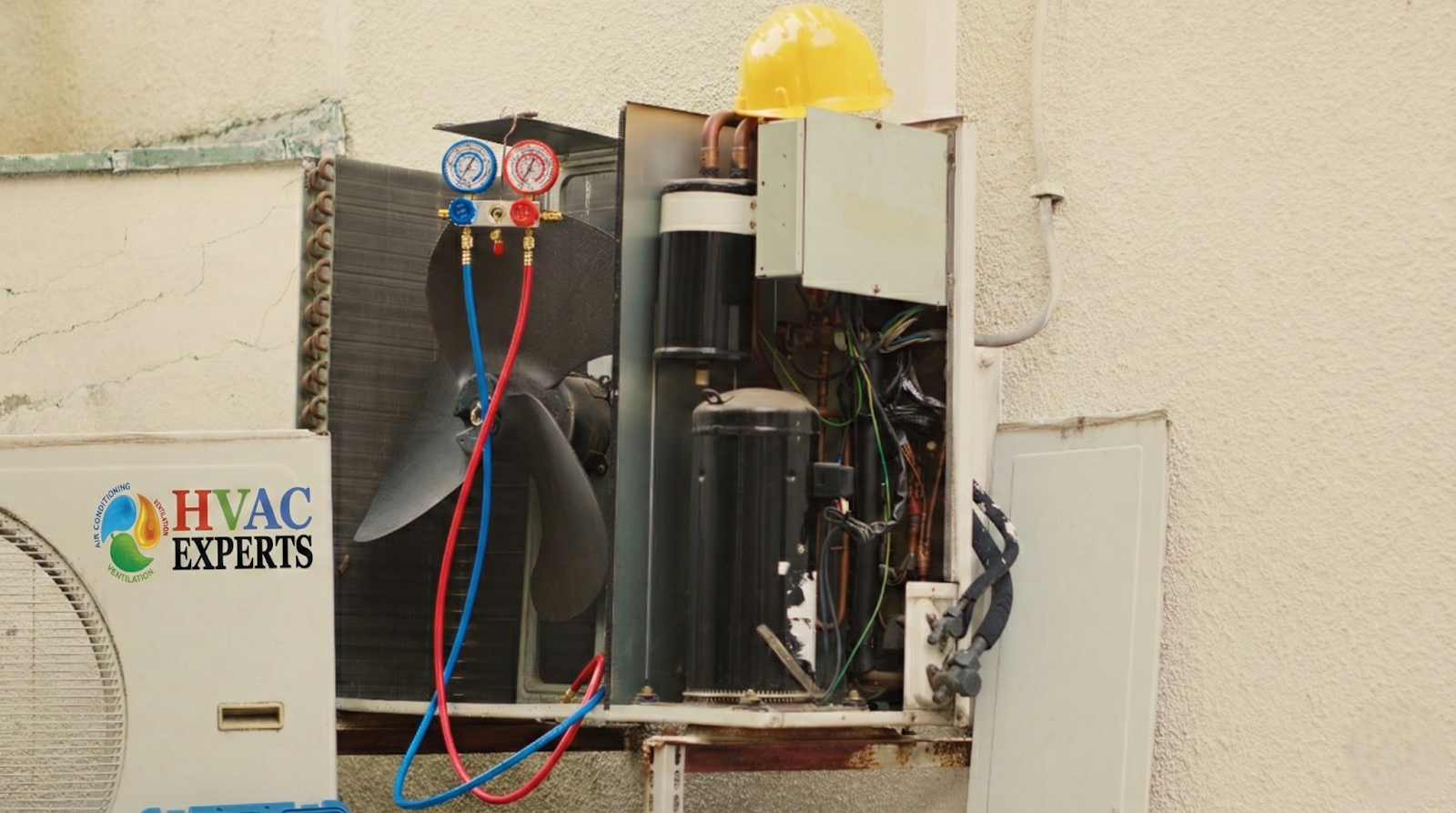
Heat pump installation is pretty straightforward, but the wiring behind the system can be challenging. Incorrect wiring prevents the unit from operating safely or smoothly. These issues usually occur when technicians rush, rely on assumptions, or lack certification. Residential heat pump wiring mistakes can cause performance issues, while commercial heat pump installations demand even greater precision due to higher electrical loads.
Today, we will examine the most common wiring mistakes, why they happen, and how proper work protects your home.
Wiring Mistakes in Residential and Commercial Heat Pump Installation
A heat pump depends on electricity for your home’s heating and cooling. When the wiring is incorrect, one of the following things can occur: the heat pump will cease operation, consume excessive energy, or become unsafe. Poorly installed HVAC systems can lead to significant energy waste in many homes, highlighting the importance of proper wiring and professional installation.
For local heat pump installation services, strict safety and reliability guidelines are essential. When installers skip those steps, homeowners usually face higher bills and more equipment problems later.
Incorrect Voltage or Wire Size
Incorrect voltage or wire size is one of the most common errors. The wire may overheat if it is too small. This poses a fire hazard and may cause a system breakage. The incorrect voltage also causes the heat pump to operate harder than it should.
Loose Connections
Loose wires are another common problem. If a wire is not tightened correctly, the heat pump may turn on and off on its own. Over time, this hurts motors and controls. Many emergency heat pump repair calls arise from loose connections that could have been addressed during installation.
Cross-Wiring Between Indoor and Outdoor Units
A heat pump has two parts: one inside and one outside. Each part has special control wires that must be connected to the correct terminal. When wires get mixed up, the system becomes confused. It may blow cold air when you want heat or refuse to turn on at all.
Cutting Wires Too Short
Some installers cut wires too short to “save time.” But short cables pull on the connections, making repairs harder later. They can also break when the heat pump vibrates during everyday use.
Not Using Proper Junction Boxes
A junction box keeps wires safe. Without it, wires may be exposed to water, insects, or heat. This creates shocking dangers and system failures.
Inadequate Electrical Setup
Sometimes, the fuse box or electrical panel is not upgraded to handle the new heat pump load. This can cause breakers to trip repeatedly. Any good heat pump electrical service will check this before installing a new system.
Skipping Commissioning
Commissioning is the process of testing the system after installation. It checks airflow, refrigerant charge, thermostat settings, and safety controls. Problems remain unknown when this step is not followed. According to DOE, more than 70 percent of HVAC installations are not commissioned, leading to eventual failure.
Ignoring Manufacturer Manuals
Every heat pump brand has different wiring rules. When installers guess rather than read the manual, problems occur. Incorrect wiring can damage the compressor or cause the system to operate in the wrong mode.
Poor Thermostat Settings
A thermostat controls when the heat pump runs. But when the settings are incorrect, the system relies on backup heat too often. Backup heat is expensive, and this mistake can increase bills by 10–20%, according to Energy Star.
Incorrect Control Wiring
The sensors, modes, and fan controls on the heat pumps should be connected to specific wires. When these wires are placed incorrectly, the heat pump may short-cycle, freeze up, or stop responding to the thermostat.
Installation Issues That Often Cause Wiring Problems
Even when wiring is correct, other mistakes can cause the system to fail. These issues are closely linked to the wiring and exacerbate the problems.
Improper Sizing
If the heat pump is oversized, it cycles on and off too frequently. If it is too small, it never catches up. This puts stress on electrical parts.
Refrigerant Problems
Using too much or too little refrigerant hurts the compressor. It also reduces the heat pump’s efficiency. A system with the wrong charge can use up to 15% more energy.
Poor Line Sets
Bad refrigerant line sets with kinks or poor layout make the heat pump work harder. This can strain the wiring as the system draws more power.
Bad Ductwork
Imbalanced cooling and heating are caused by leaks or obstructions in the ducts. Electrical parts are more likely to fail when the heat pump has to work harder to compensate.
Certified heat pump wiring contractors know how to avoid these mistakes. They follow safety rules, use the right tools, and understand the electrical load your home or commercial building needs.
Final Thoughts
Heat pump wiring may look simple, but many small mistakes can cause big trouble. Homeowners should always work with trained commercial heat pump installation professionals to ensure the job is done right from the start. When the wiring is correct, the heat pump runs safely, lasts longer, and keeps your home comfortable year-round.
Is it necessary to wait until your HVAC system breaks down when the HVAC Experts can secure it today? Enjoy faster service, lower prices, and year-round comfort. HVAC Experts proudly serve Odessa, Midland, and the Permian Basin with 24/7 heating and cooling support. Want stress-free comfort? Call now or schedule online and let the HVAC Experts give your HVAC unit the care it deserves.
4.9 · 1,899 Google reviews
Need help at home?
Call 432-272-5636 for a free estimate.