
May 18, 2026 · Air Conditioning
Air Conditioning System Repair: How to Not Melt This Summer
Discover air conditioning system repair tips: troubleshoot symptoms, compare repair vs replace costs, and prevent breakdowns in Texas heat.
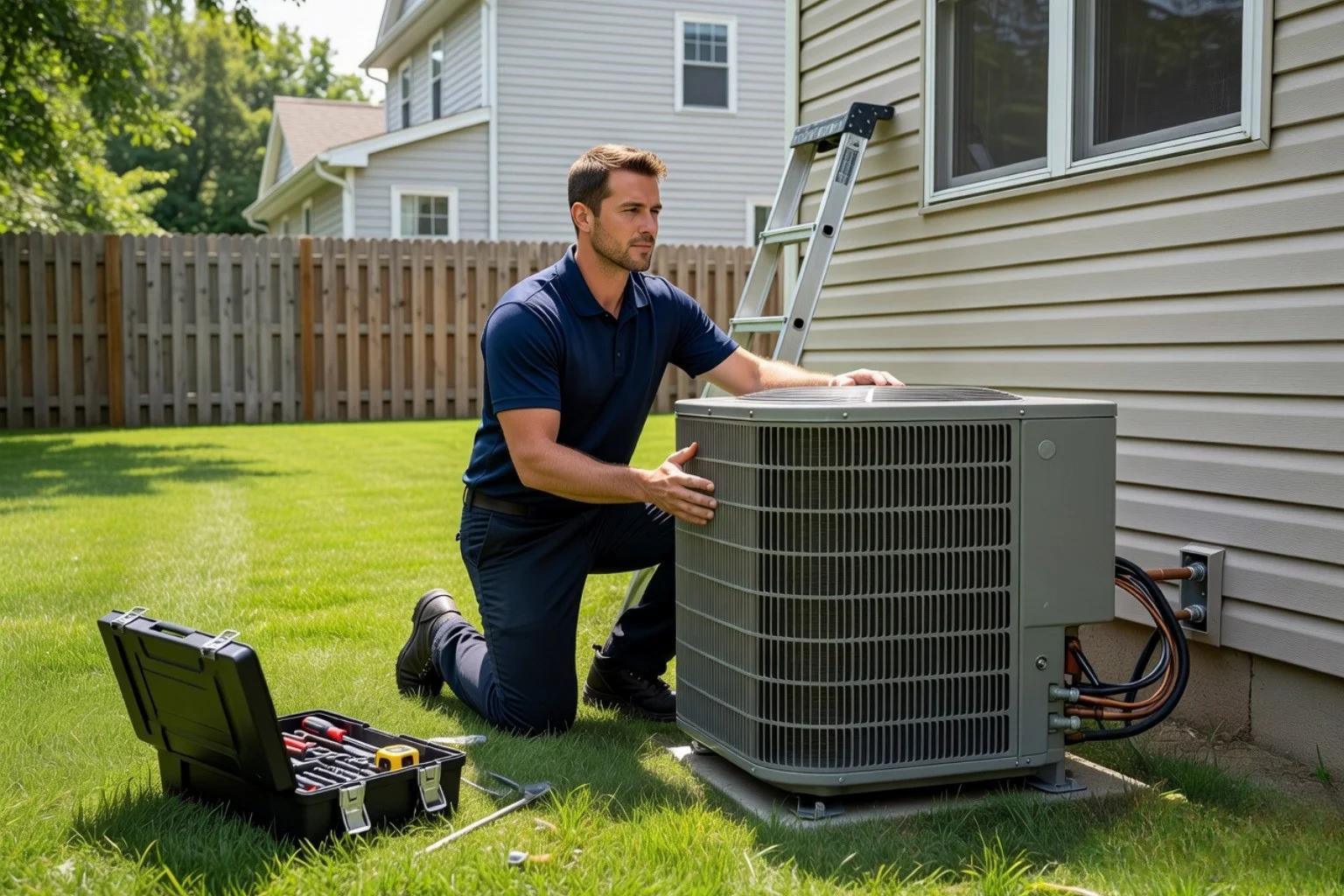
When Your AC Quits in Texas, Every Minute Counts
Air conditioning system repair is the process of diagnosing and fixing a broken or underperforming AC unit to restore cool, comfortable air to your home or business.
If you need a quick answer, here are the most common AC problems and what to do:
| Problem | Likely Cause | First Step |
|---|---|---|
| Warm air from vents | Bad capacitor or low refrigerant | Check outdoor unit is running |
| AC won’t turn on | Tripped breaker or clogged drain | Reset breaker, check drain pan |
| Strange noises | Failing motor or loose parts | Turn off unit, call a tech |
| Ice on the unit | Dirty filter or low refrigerant | Replace filter, turn off AC |
| High energy bills | Dirty coils or aging system | Schedule a tune-up |
For most electrical, refrigerant, or mechanical issues, call a licensed HVAC technician, since these repairs require specialized tools and EPA certification.
Living in the Permian Basin means your AC isn’t optional. When temperatures in Odessa and Midland regularly push past 100°F, a broken air conditioner goes from an inconvenience to a genuine health risk fast.
The reality is that AC systems fail at the worst possible times. A unit that was running fine in April can struggle or quit entirely once the summer heat hits full force. And in West Texas, that heat hits hard.
The good news? Most AC problems follow predictable patterns. A system that’s blowing warm air, making strange sounds, or cycling on and off too often is giving you warning signs you can learn to read and act on quickly.
This guide walks you through what those signs mean, what repairs typically cost, and how to decide whether to fix your current system or replace it altogether.
Common Symptoms and Troubleshooting Steps
When your home starts feeling more like a sauna than a sanctuary, your first instinct is likely to panic. Before you do, take a deep breath. Understanding the signs your AC needs repair – Odessa TX can help you communicate better with a technician or even solve a minor issue yourself.
Often, what looks like a total system failure is actually a cry for help from a specific component. For instance, if your system is “short cycling” (turning on and off every few minutes), it might be overheating due to a lack of airflow. This is one of the most common HVAC issues we see in the dusty Permian Basin climate.
Before calling for Air Conditioning System Repair Services, check these three things:
- The Thermostat: Is it set to “Cool”? Are the batteries fresh? It sounds simple, but a blank screen often means the batteries died or a safety switch was triggered.
- The Circuit Breaker: Check your electrical panel. If the AC breaker has tripped to the “off” position, flip it back. If it trips again immediately, stop. You likely have an electrical short that needs professional attention.
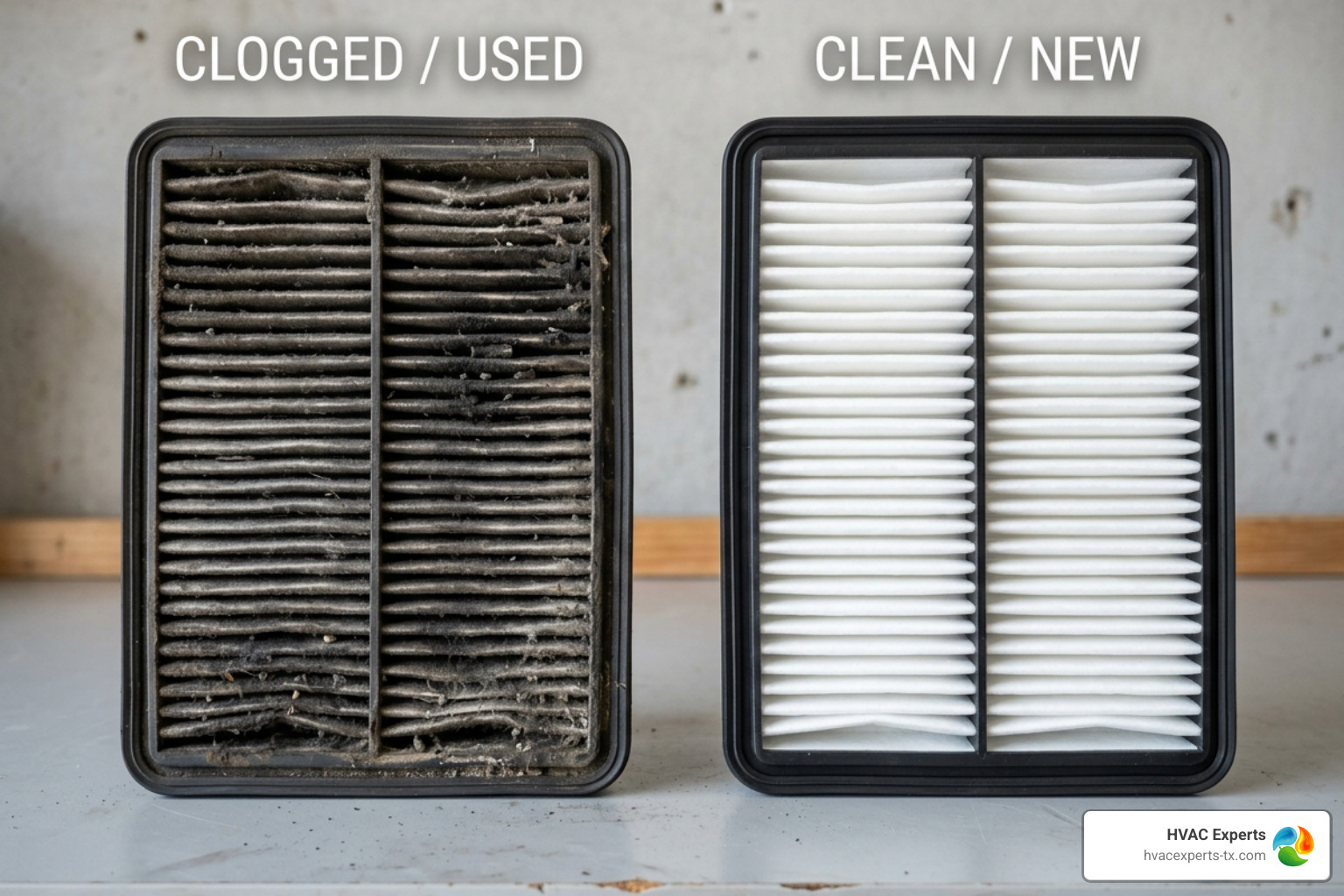
- The Air Filter: A clogged filter restricts airflow, which can cause the indoor evaporator coil to freeze into a block of ice.
Identifying Common Symptoms for air conditioning system repair
If the basics check out but you’re still sweating, look for these specific red flags:
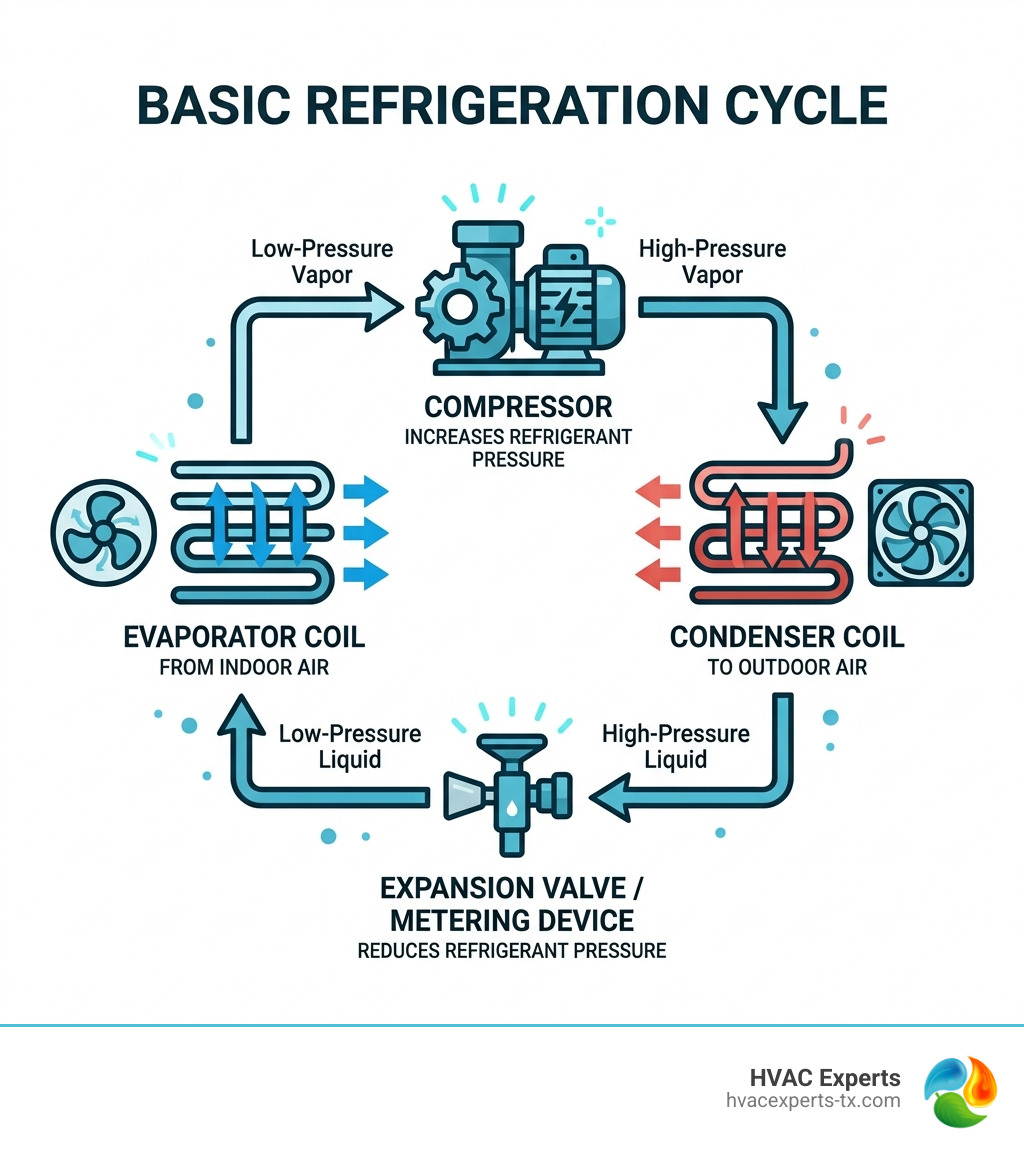
- Frozen coils: If you see ice on the copper lines or the outdoor unit, your system cannot breathe. This is often why your air conditioner is blowing hot air because the ice acts like insulation, keeping refrigerant from absorbing heat.
- Musty odors: That “dirty sock” smell often points to biological growth on the coils or standing water in the drain pan.
- Water leaks: Seeing water pooling around your indoor furnace or air handler? Your condensate drain line may be clogged with algae or dust.
- The blank thermostat/SS2 switch: Many modern systems in Texas have an SS2 safety switch. If your drain line clogs, this switch detects rising water and cuts power to the thermostat to help prevent ceiling damage. If your thermostat is dead and the breaker is fine, check your drain pan.
Understanding the Cost of Professional air conditioning system repair
We know the biggest stressor during a breakdown is the “how much is this going to cost?” question. While every home is different, May 2026 industry averages give us a good baseline for what to expect for Expert AC Repair in the Permian Basin.
Most reputable companies charge a diagnostic fee to send a tech to your door and find the root cause. From there, repairs are usually quoted flat-rate.
| Component | Average Repair/Replacement Cost (Est.) |
|---|---|
| AC Capacitor | $150 – $300 |
| Clogged Drain Line | $150 – $200 |
| Refrigerant (R410A) | $70 – $100 per pound |
| Refrigerant (R22/Freon) | $150+ per pound (Phase-out pricing) |
| Condenser Fan Motor | $700 – $900 |
| Blower Motor | $800 – $900 |
| Compressor | $1,200 – $1,800+ |
Don’t forget The Real Cost of Skipping AC Maintenance in Odessa’s Climate. Emergency repairs on a Sunday afternoon will always cost more than a scheduled fix.
Common Component Failures and air conditioning system repair Pricing
The most frequent “villain” in air conditioning system repair is the capacitor. Think of it like a big battery that gives your motors the “kick” they need to start. In the intense West Texas heat, these parts are under immense pressure and can “pop” or bulge. If you hear your outdoor unit humming but the fan isn’t spinning, a failed capacitor is a likely culprit.
Blower motors and condenser fans are the next most common failures. These are mechanical parts with bearings that eventually wear out. If you hear screeching or grinding, turn the system off immediately to avoid damaging other parts.
Finally, there is the refrigerant leak. A common myth is that AC units “use up” refrigerant like a car uses gas. In reality, an AC is a sealed system. If you are low on refrigerant, you have a leak. Adding “freon” without fixing the leak is like trying to fill a bucket with a hole in the bottom—it’s a temporary and expensive band-aid.
Repair vs. Replace: The $5,000 Rule and System Longevity
At some point, every homeowner faces the “zombie AC” dilemma: do you keep reviving an old unit, or do you put it to rest?
A well-maintained central AC typically lasts 15 to 20 years. However, in the Permian Basin, the extreme heat and dust often shorten that lifespan to 10-15 years. If your unit is over a decade old, its efficiency has likely dropped significantly compared to modern SEER2-rated models.
To make an objective decision, we use the $5,000 Rule:
- The Formula: Multiply the age of the unit by the cost of the repair.
- The Result: If the total is more than $5,000, it’s usually time to replace.
- Example: A 12-year-old unit needs a $600 blower motor. (12 x 600 = 7,200). Since 7,200 is greater than 5,000, you should consider a replacement.
Another factor is the R-22 Phase-out. If your system was built before 2010, it likely uses R-22 (Freon), which is no longer being produced. Repairing a leak in an R-22 system is often prohibitively expensive because the gas itself is so rare. In these cases, it’s often better to learn 4 Signs It’s Time to Call an HVAC Contractor for an installation estimate.
Preventing Breakdowns in the Texas Heat
The best air conditioning system repair is the one you never have to make. In places like Pecos, Monahans, and Andrews, the environment is tough on machinery. Sand, mesquite debris, and relentless sun conspire to shut you down.
Regular maintenance can extend your system’s life by years. We recommend a professional tune-up at least once a year, ideally in early spring. This isn’t just a “check-up”; it’s a deep clean and calibration.
A standard professional tune-up should include:
- Coil Cleaning: Removing the “blanket” of dust from your outdoor coils so heat can escape.
- Straightening Fins: Using a fin comb to fix bent aluminum slats on the condenser.
- Clearing Drains: Using anti-algae tabs to keep the condensate line flowing.
- Testing Capacitors: Catching a weakening capacitor before it fails on a 105-degree Saturday.
Proactive Maintenance to Avoid air conditioning system repair
While we handle the technical stuff, there are several things you can do to protect your investment:
- Filter Changes: In West Texas, you should check your filter every 30 days. If you have pets or live near a construction site, you might need to change it even more often.
- Clear the Perimeter: Keep weeds, shrubs, and “stuff” at least two feet away from your outdoor unit. It needs to “breathe” to dump heat effectively.
- Duct Sealing: Leaky ducts can waste 20-30% of your cooled air before it even reaches your rooms.
- Indoor Air Quality: High dust levels don’t just affect your lungs; they clog your AC’s internal components. Consider an air purifier or upgraded filtration system to keep the “insides” of your AC clean.
Check out our guide on DIY vs Professional AC Tune-Ups to see what you can handle and where you need the pros.
Frequently Asked Questions about AC Repair
Why is my air conditioner running but not cooling?
This is usually an airflow or refrigerant issue. First, check your air filter. If it’s clean, go outside and see if the large copper pipe is cold to the touch. If it’s warm, you likely have a bad capacitor, a failing compressor, or a refrigerant leak.
How do I know if my AC capacitor is bad?
Common signs include a loud humming sound from the outdoor unit, the fan not spinning, or the AC taking a long time to start up. Sometimes you can see the top of the capacitor is bulged or “mushroomed” out. Warning: Capacitors store high-voltage electricity even when the power is off. Do not touch them without proper training.
Is it better to repair or replace a 12-year-old AC unit?
Refer to the $5,000 rule. If the repair is minor (under $300), a fix is usually fine. But if you’re looking at a major component like a compressor or an evaporator coil, the money is better spent on a new, high-efficiency system that comes with a 10-year warranty.
Conclusion
At the end of the day, air conditioning system repair in the Permian Basin is about more than just hardware. It is about keeping your family safe and comfortable in one of the most demanding climates in the country. Whether you are in Odessa, Midland, or out in Orla, your AC is the hardest working appliance in your home.
If you’re currently staring at a thermostat that won’t budge, help is never far away. At HVAC Experts, we’ve built our reputation on being there when the heat is on. From 24/7 emergency services to our Diamond Club membership, which gives you priority scheduling and exclusive discounts, we make sure our neighbors in West Texas stay cool.
Don’t wait until you’re melting. Contact our HVAC professionals and schedule to get your air conditioning system back in top shape today. Stay cool, West Texas!
4.9 · 1,899 Google reviews
Need help at home?
Call 432-272-5636 for a free estimate.